Foundation repair for houses built on North Alabama clay.
Cracks, settling slabs, sagging floors, leaning basement walls and water that keeps finding its way in. Free inspections with written findings, repairs priced before any digging, and a crew that knows the difference between a crack that is curing and one that is moving. Huntsville, Madison, Harvest, Hazel Green, Meridianville, Owens Cross Roads, Decatur and Athens.
Free inspection with written findings · Price before any work · Alabama HBLB licence rule applied to jobs of $10,000 or more · Permits and Alabama 811 handled by the crew
- STICKDoors and windows sticking in late summerClay drying under one side of the house. Often seasonal; sometimes the first sign of a settling corner.
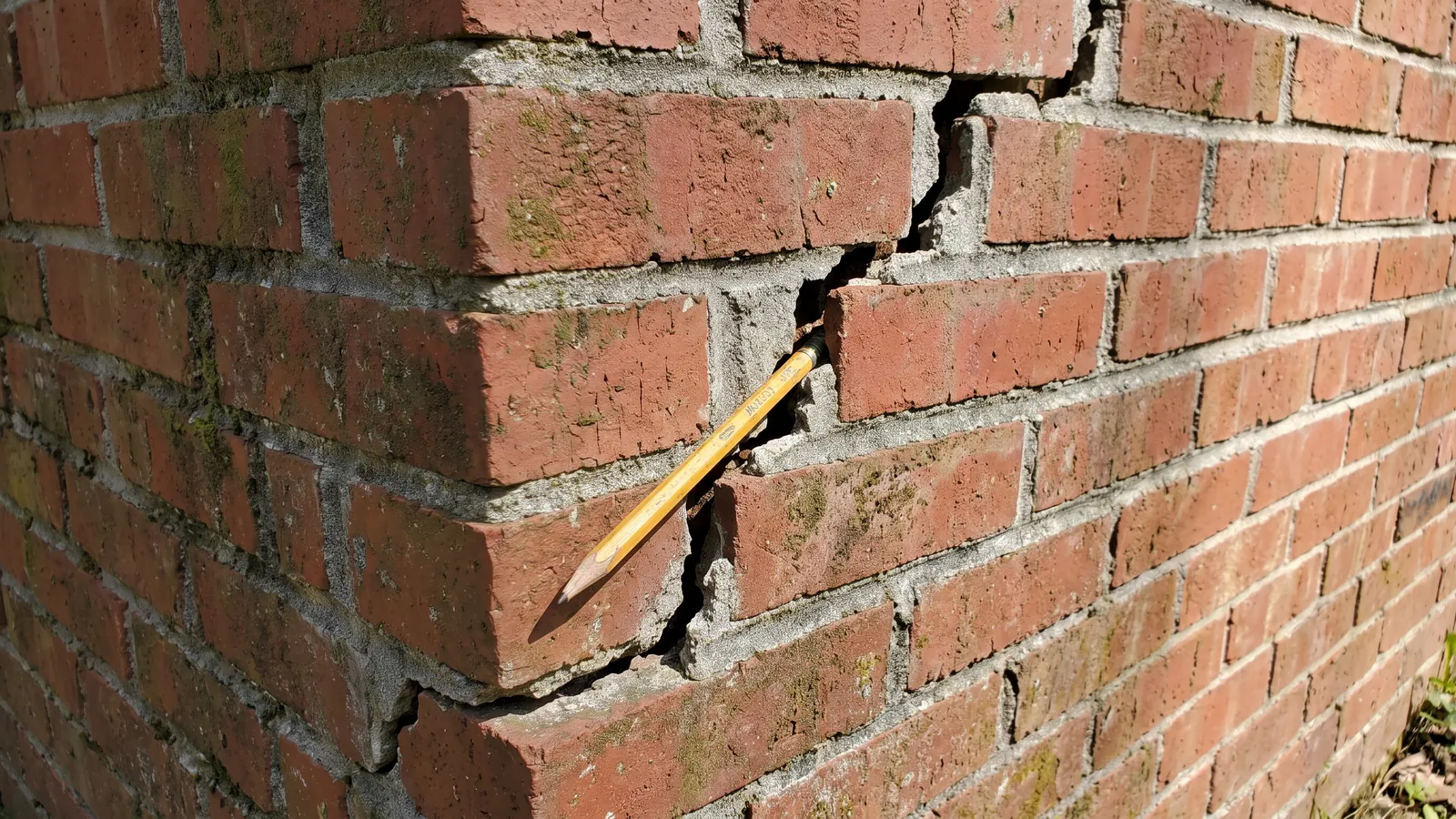
- STEPStair-step cracks through the brickThe footing under that corner has dropped. Width and whether it is growing decide the repair.
- SLOPEA floor that slopes or bouncesIn a crawl-space house, piers settling or a beam that has lost support. Measured with a laser, fixed from below.
- BOWA horizontal crack in a basement wallSaturated soil pushing the wall inward. This one goes to the top of the list.
- WETWater at the base of the wall after rainThe perched water table on the east side, or grading and downspouts doing the wrong job. Drainage first, then waterproofing.
Every one of these starts with a free inspection and a written report. Nothing is priced until the technician has seen it.
Twelve foundation and water services for the houses of the Tennessee Valley
Crack repair
Epoxy for structural cracks, polyurethane for leaking ones, and an honest word when a crack is a symptom of settling rather than the problem itself.
Cracks →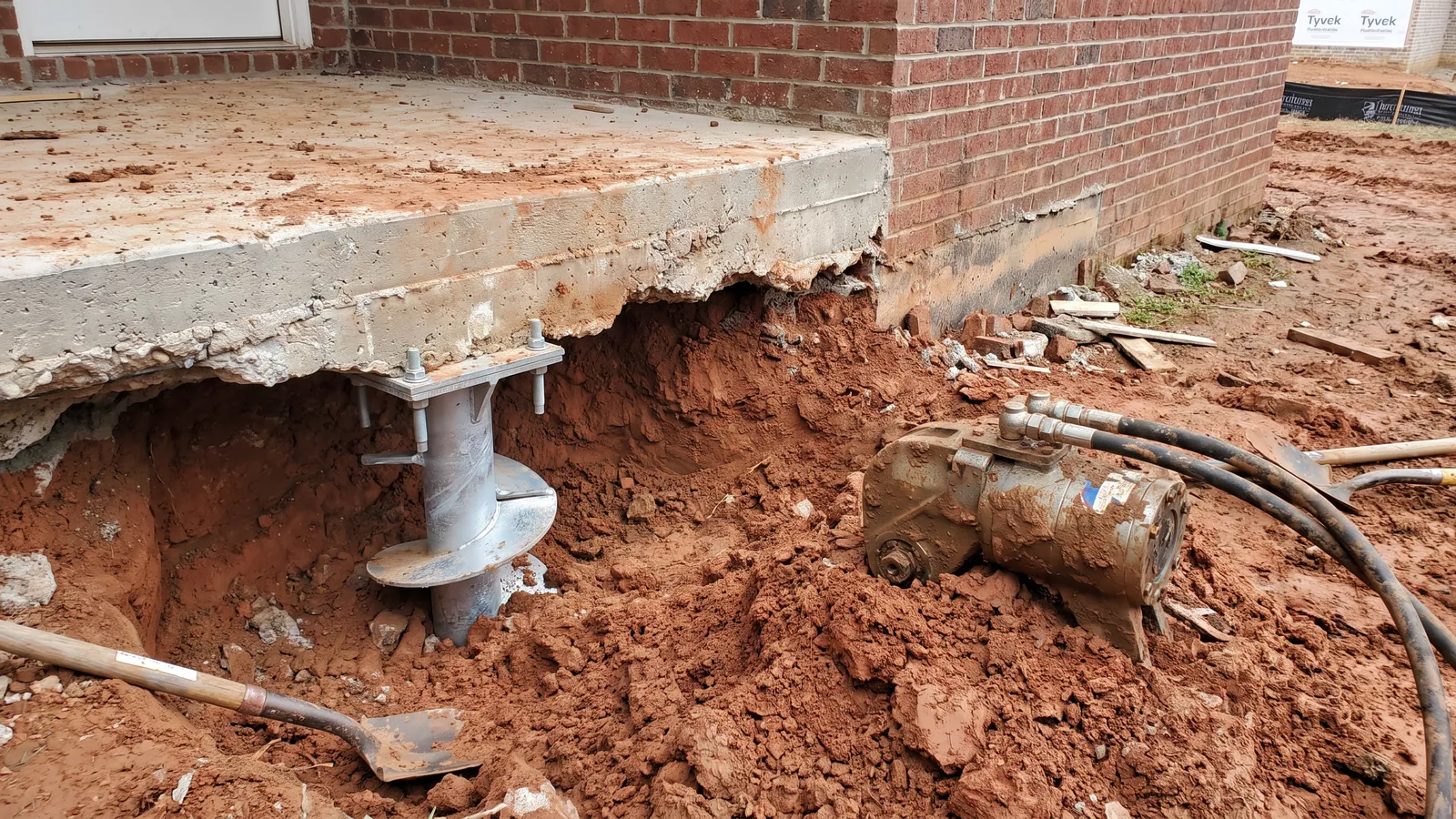
Slab foundation repair
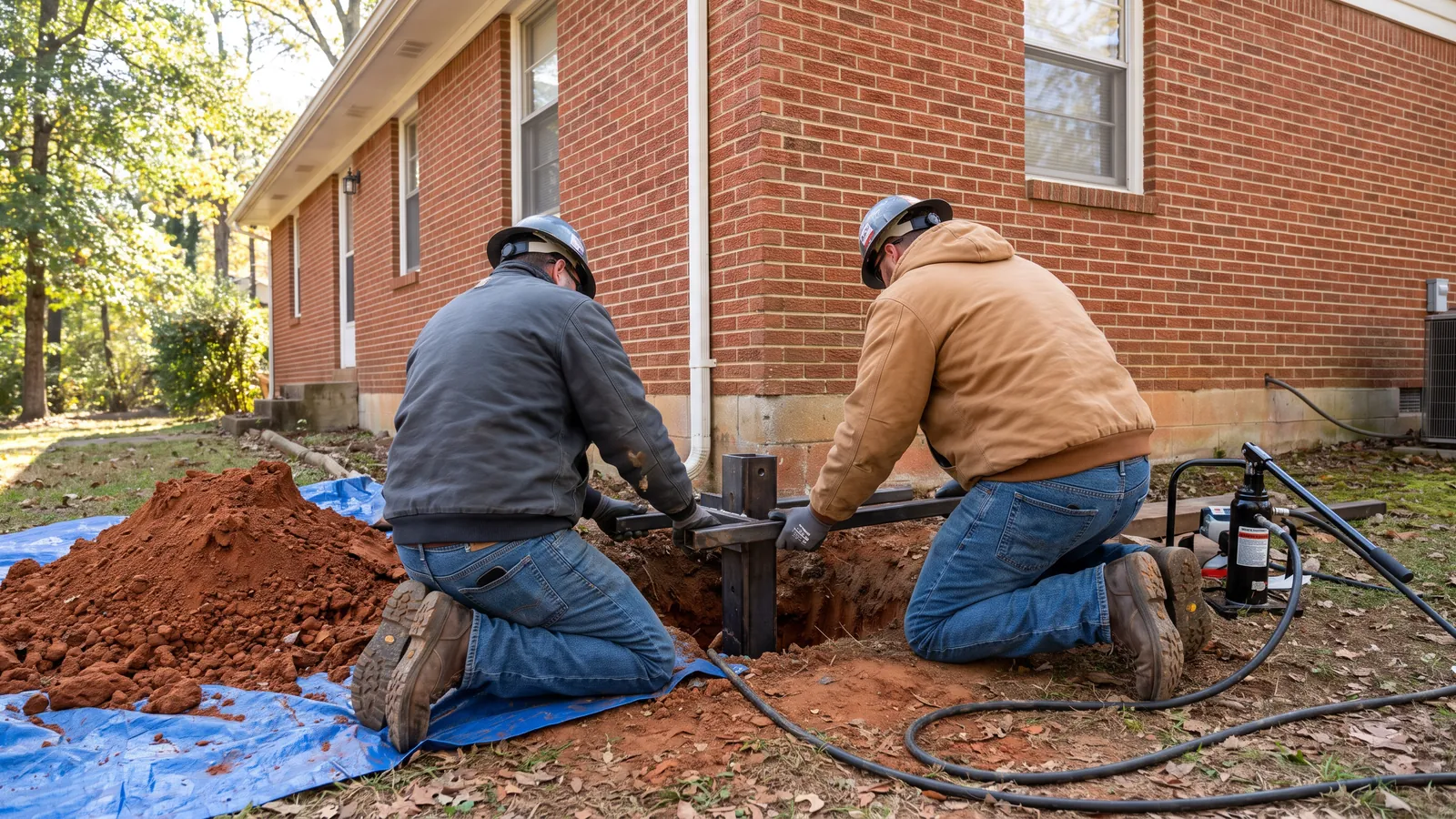
Push or helical piers driven to bearing soil under a dropped slab corner, then a measured lift back toward level, usually in one or two days.
Slab piers →Basement waterproofing
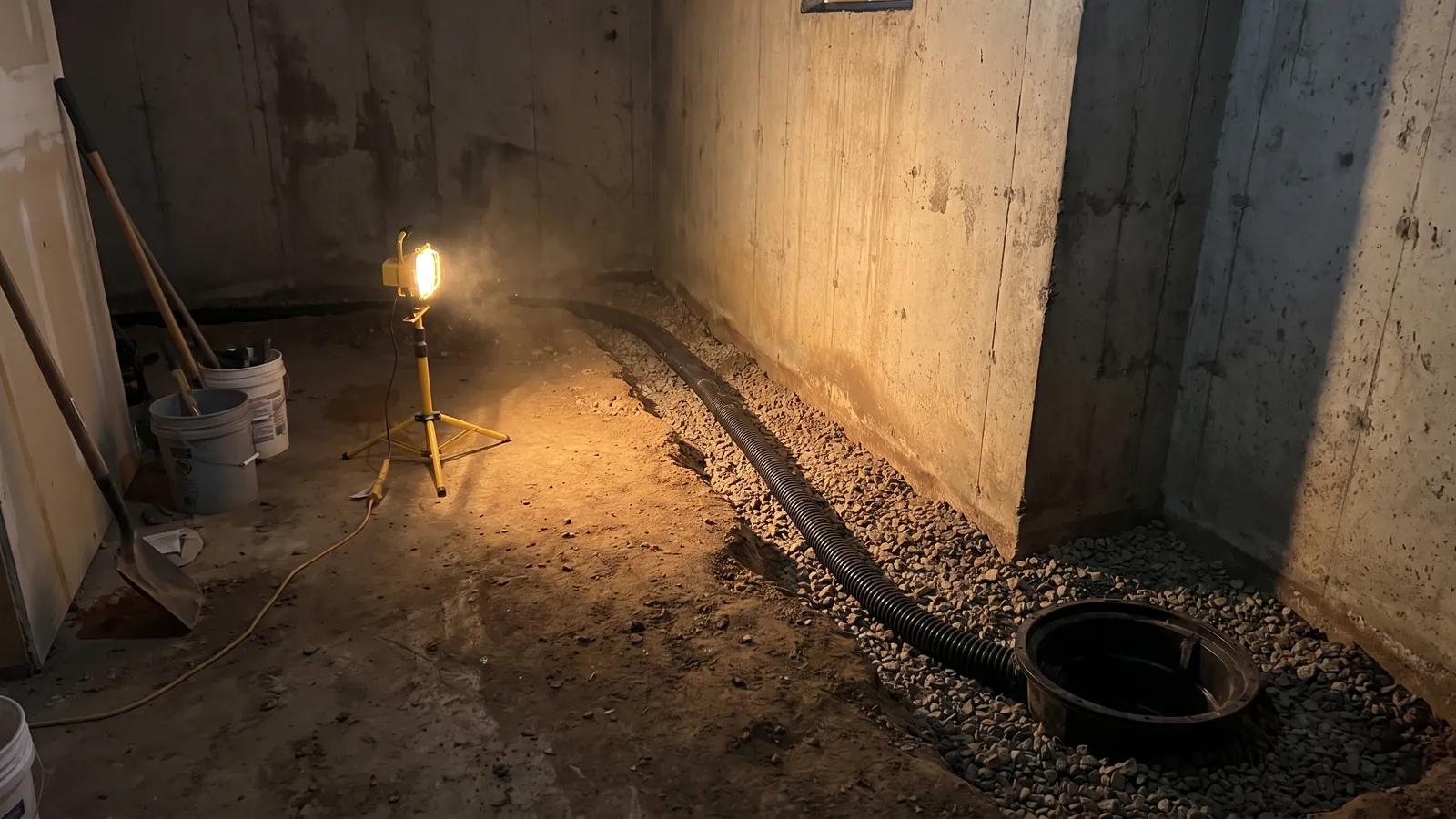
Interior drain tile and a sump for the perched water table on the east side, exterior membranes where the wall itself is the leak, and grading fixed first.
Waterproofing →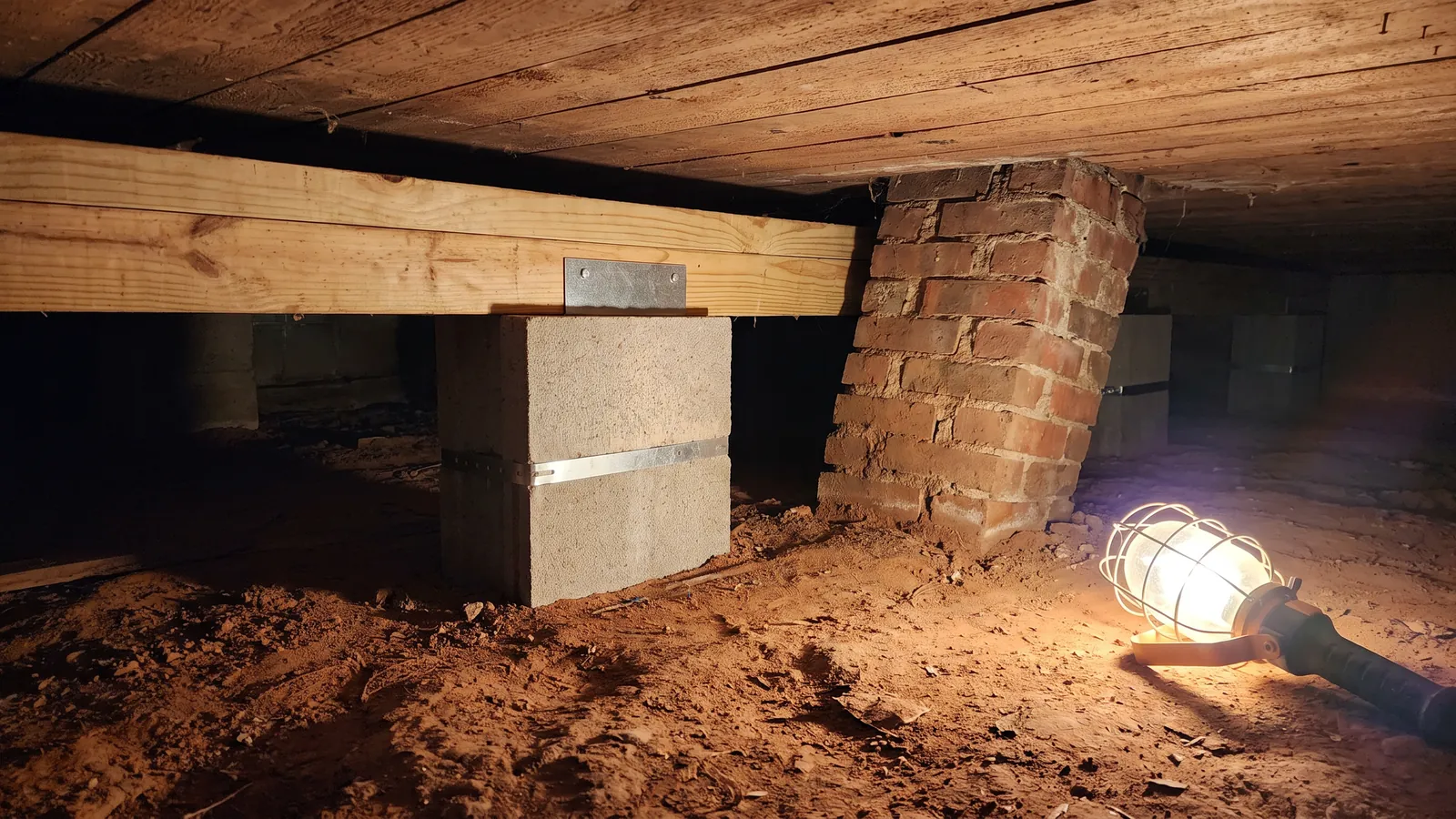
Pier and beam repair
New piers, shims and sistered joists under the 1950s to 1970s ranch houses that make up so much of Huntsville, measured before and after.
Pier and beam →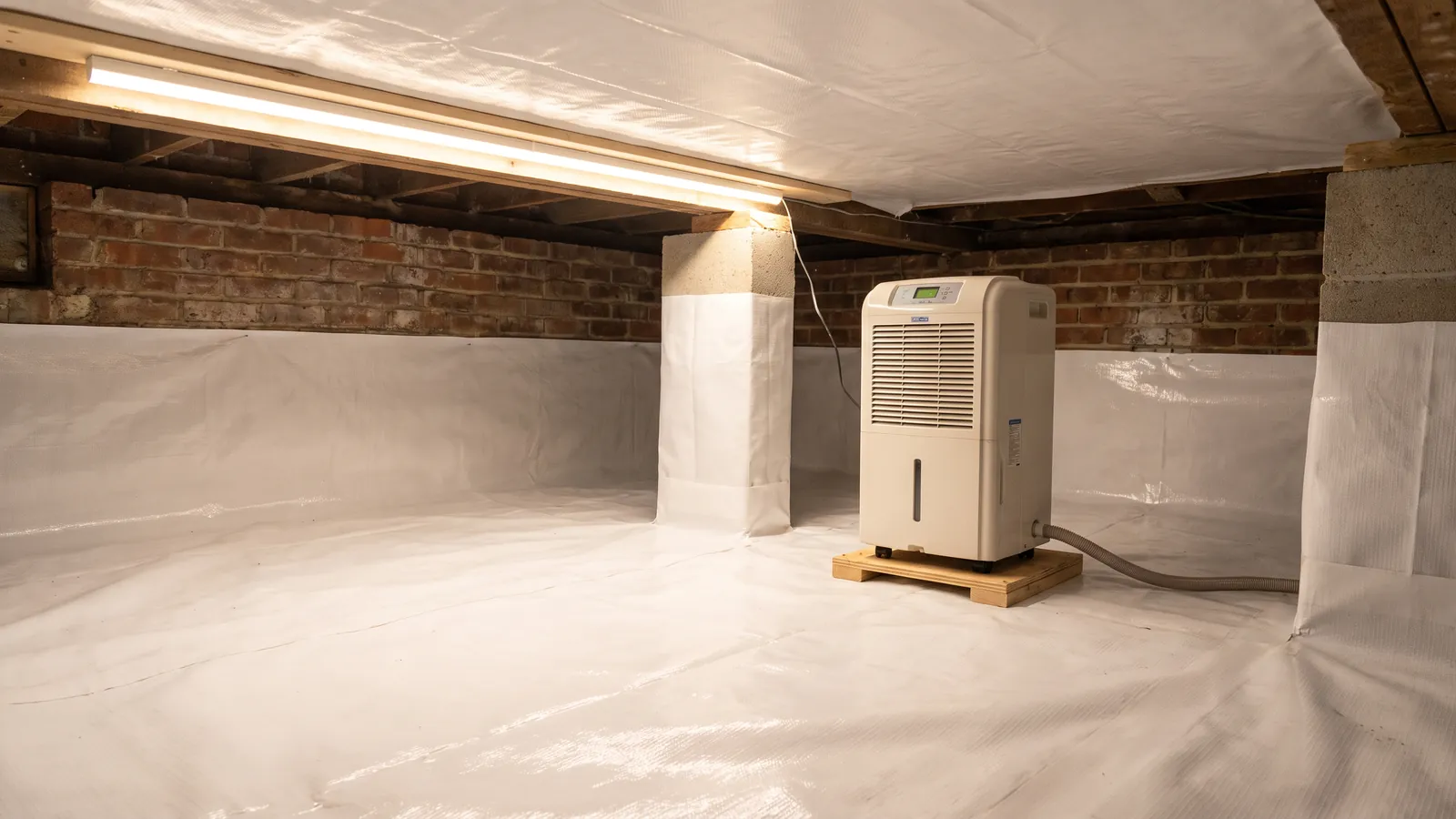
Crawl space encapsulation
A sealed liner, a dehumidifier and dry piers, so the floor above stops moving with the humidity and the air in the house stops smelling like the dirt below.
Encapsulation →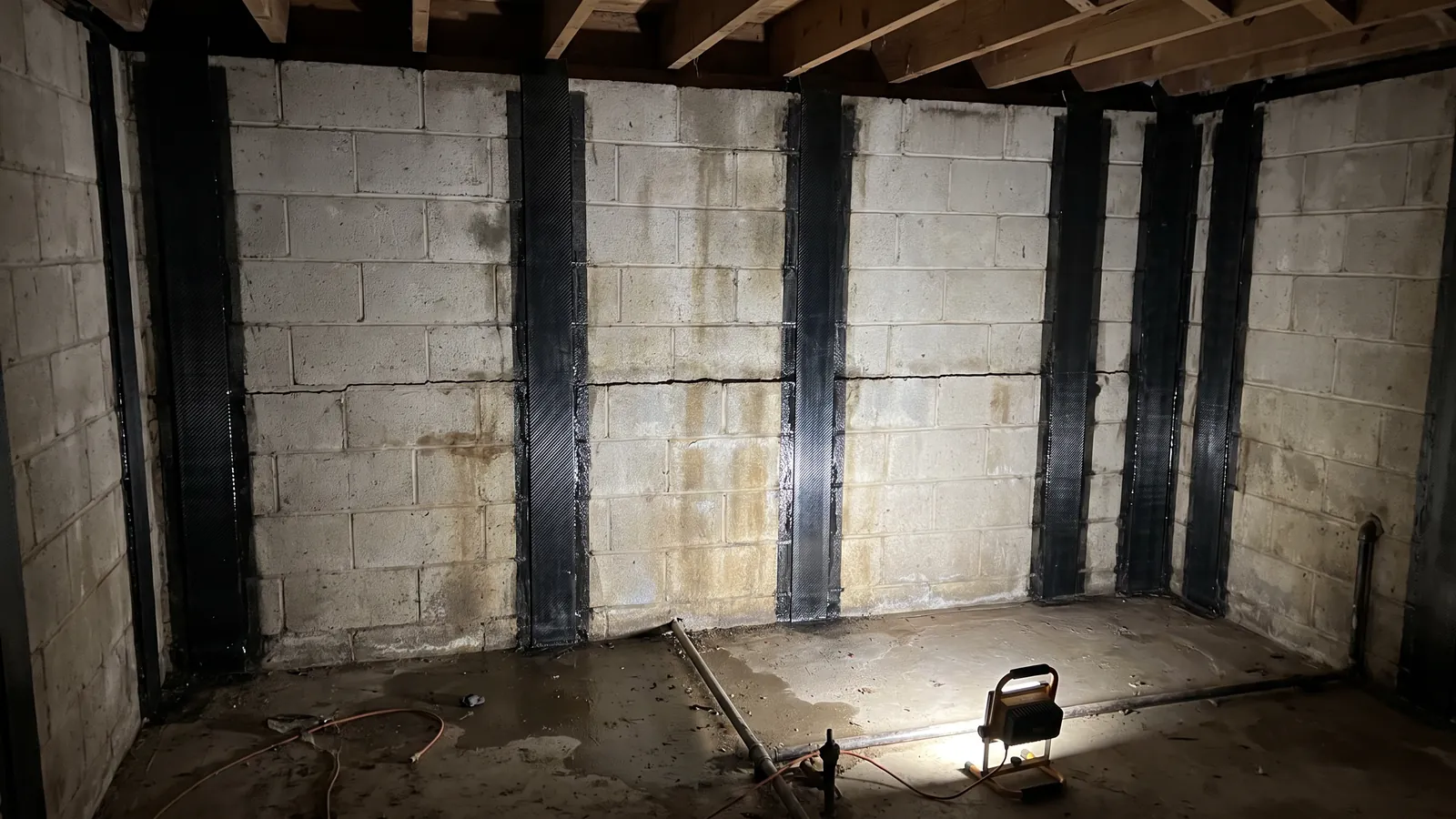
Bowing wall repair
Carbon-fiber straps for a wall that has moved a little, anchors or helical tiebacks for one that has moved more, and the drainage that caused it dealt with.
Bowing walls →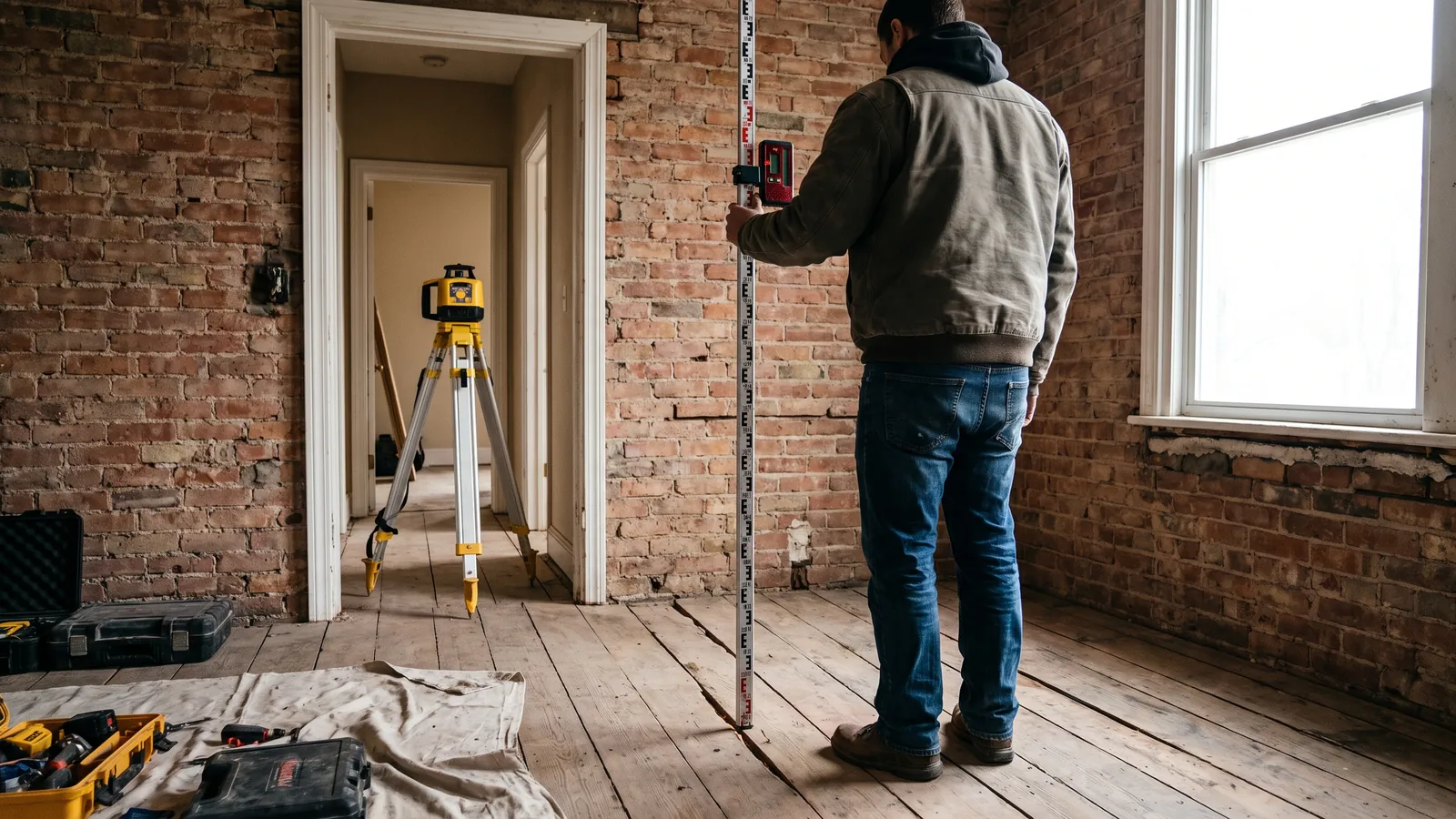
House leveling
A laser survey of every room, then the piers or shims that bring the frame back within tolerance without cracking what is above.
Leveling →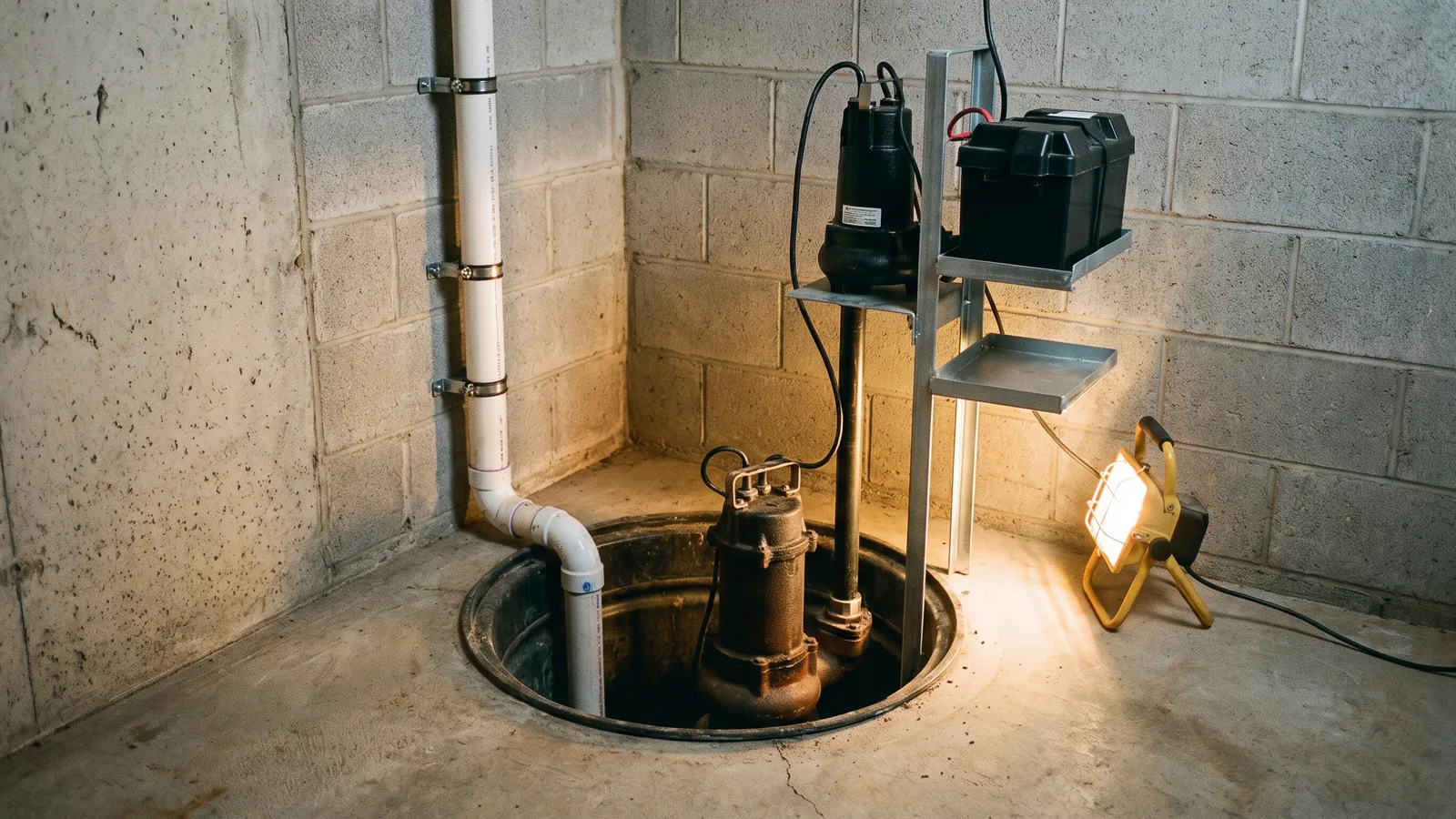
Sump pump installation
Basins, pumps and battery backups sized for a Huntsville basement, with the discharge run far enough from the house to stay fixed.
Sump pumps →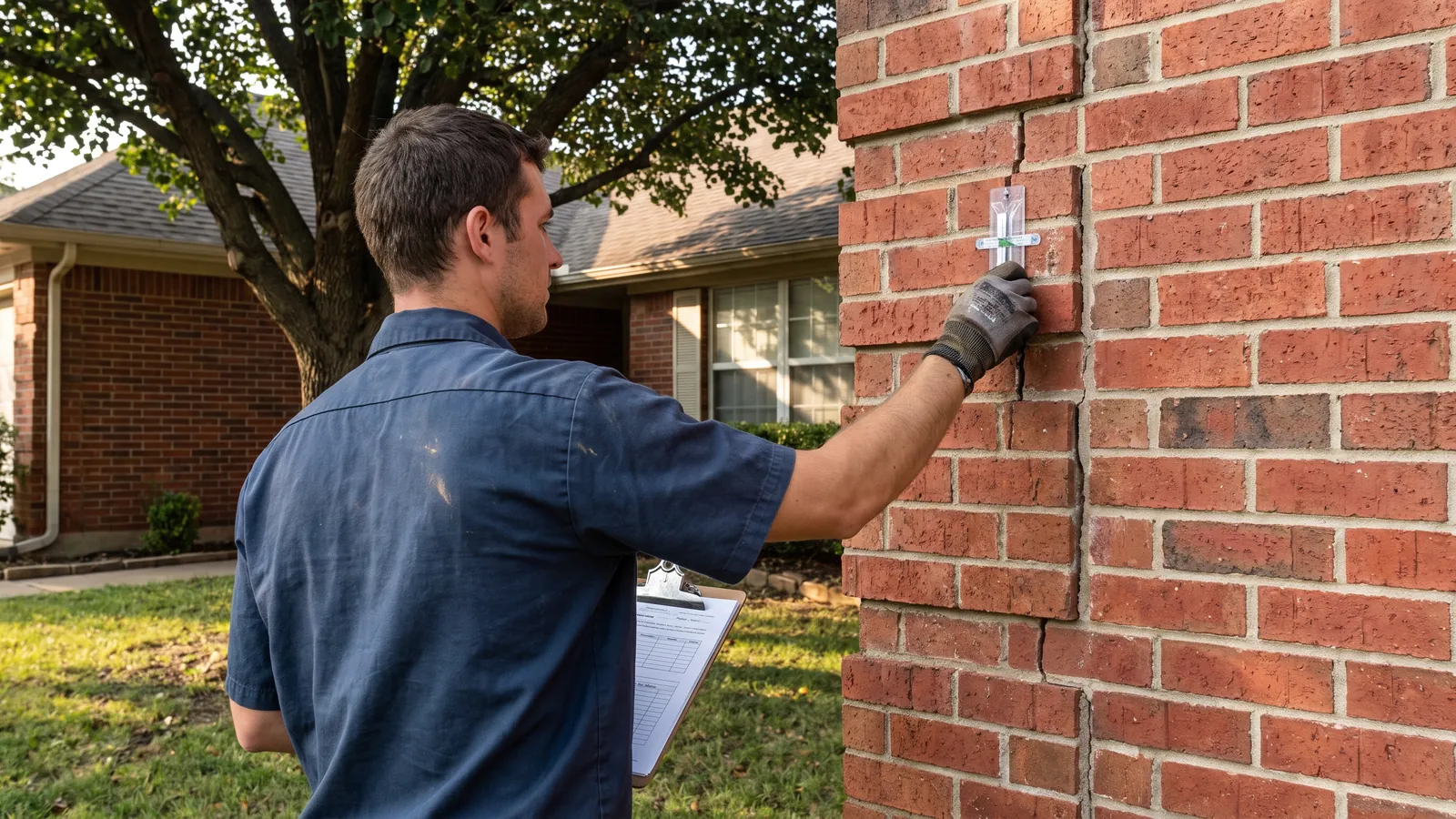
Foundation inspection
Free, with written findings, before a purchase, after a storm, or because a crack has been bothering you for a year.
Inspections →The numbers that shape foundation work in Madison County
Huntsville is a big, growing city sitting on soils that move and under skies that drop a lot of water. Each of these shows up somewhere in a repair.
Who has a say before a pier goes in
The state licence for big jobs
Alabama law, Title 34, Chapter 14A, requires a residential home builder's licence from the Home Builders Licensure Board for any home repair or improvement of $10,000 or more. Pier work on a settled slab is almost always above that line. The contractor who takes your job carries the licence, you get the number, and the Board's website lets you confirm it in a minute. Under $10,000, the licence is not required, and we tell you which side of the line a job falls on.
Building Services permits
Inside the Huntsville city limits, structural repair to a house needs a permit from City of Huntsville Building Services. That covers underpinning with piers, replacing crawl space piers, lifting a load-bearing section of slab and installing wall anchors. Injecting a crack without any structural change usually does not. The crew files the permit and schedules the inspection; if a job sits in a gray area, Building Services gives the answer, not us.
Alabama 811 before the dig
Piers, drain tile, French drains and anchors all mean excavation, and Alabama law requires Alabama 811 to be notified at least two business days before any digging so the utilities can mark their lines. The contractor files the locate request, waits for the marks and digs around them. It is one more reason a pier job is scheduled a few days out rather than tomorrow.
Four forces behind most of the calls we take
Clay that breathes
Decatur silty clay loam, Dewey silt loam and Colbert silty clay all take on water and give it back. A dry August drops the corners; a wet spring lifts them. Over years the cycle opens cracks and racks door frames.
Settling repair →The east-side water table
Where the ridges below Monte Sano meet the flats, rain sits on rock and clay just below the surface and pushes against basement walls through the wet months. It is the source of most waterproofing calls in the city.
Waterproofing →Winters that work the mortar
North Alabama gets more freeze-thaw cycles than the coast. Water in a hairline joint freezes, widens it, melts and comes back for more. By spring the crack that was cosmetic has a width.
Crack repair →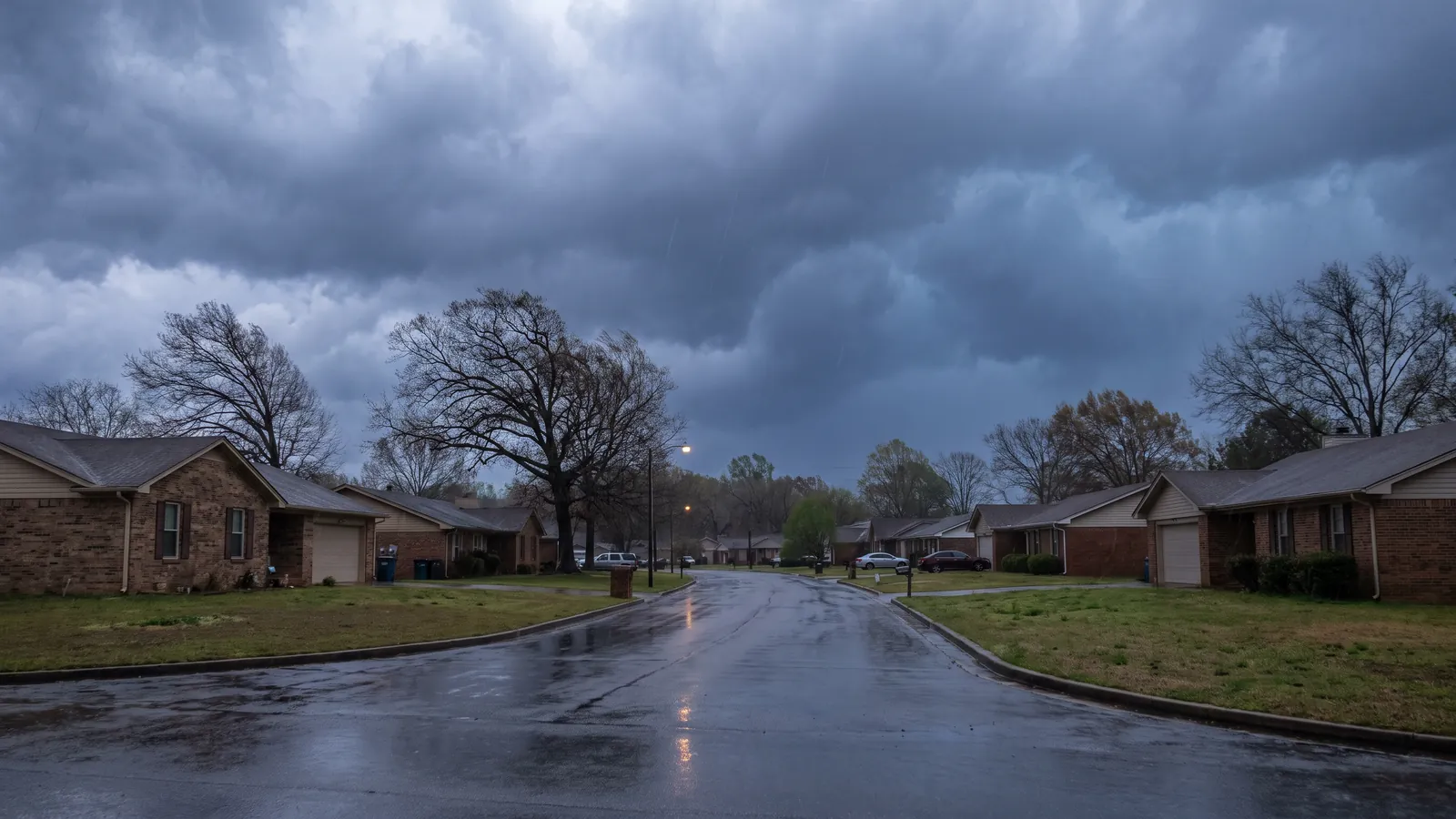
Tornadoes and flooding rain
April 27, 2011. April 28, 2014. March 25, 2021. Each left Madison County yards saturated, soil eroded at footings and houses that had been shifted by wind loads. A post-storm check catches what the roofer does not look at.
After a storm →Red clay over limestone, and what that does to a house over thirty years
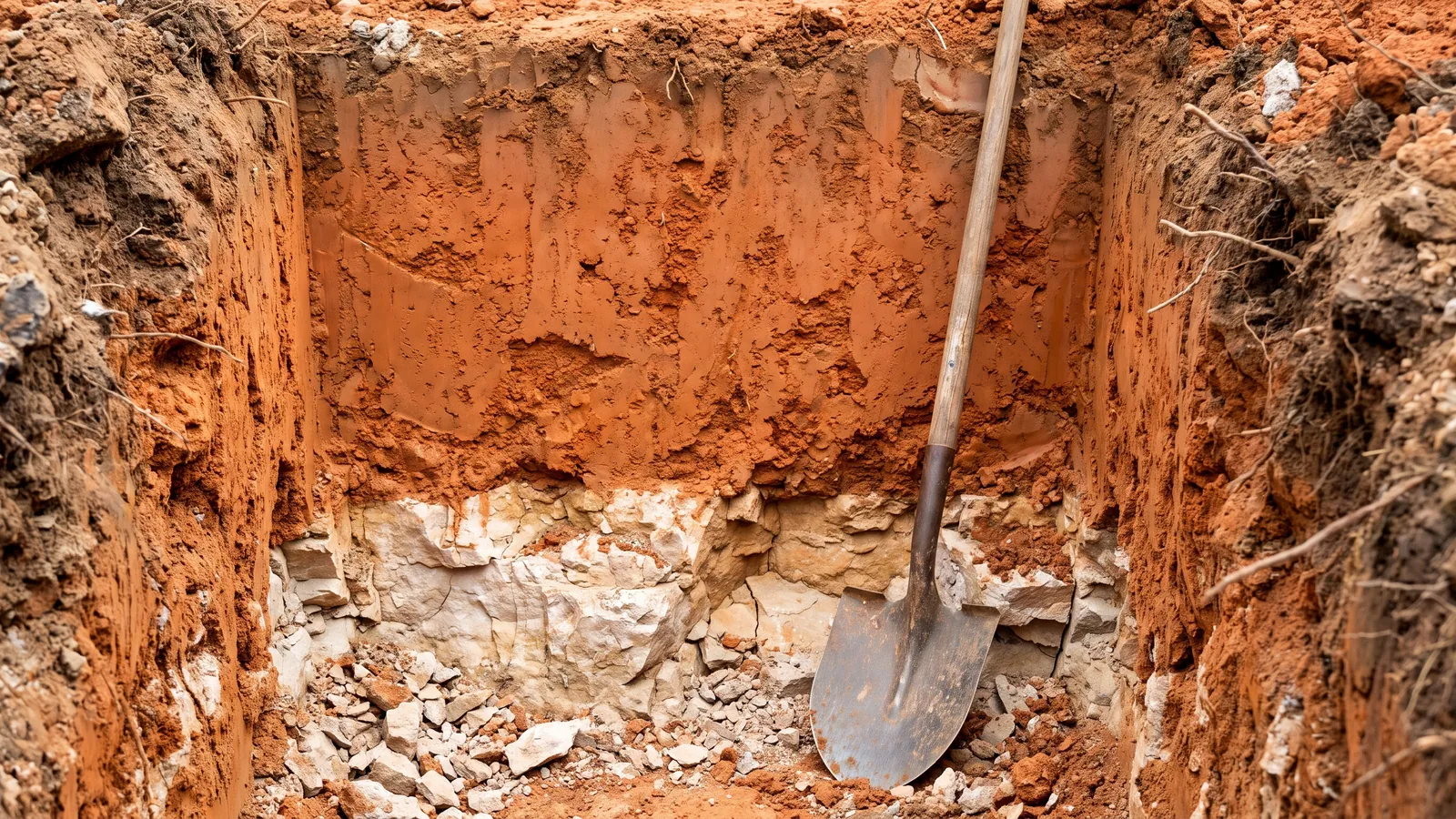
Dig anywhere in Madison County and the shovel goes through a layer of red-orange clay before it hits pale, fractured limestone. The clay is the part that matters for a foundation. The county's dominant series, Decatur silty clay loam on the uplands, Dewey silt loam on the gentler slopes and Colbert silty clay where drainage is poor, all have what soil scientists call moderate shrink-swell behaviour. They are not the extreme clays of North Texas, but they move enough to lift and drop a slab edge by a fraction of an inch each season, and thirty seasons of that add up.
The limestone underneath brings its own trouble. On the east side, where the ridges below Monte Sano run down into the flats, rainwater perches on the rock and the clay a few feet down and stays there through the wet months, pressing against basement walls and finding the cold joint between wall and floor. In the southeast of the county, toward the Flint River bottomlands around New Hope and Owens Cross Roads, the limestone is karst, with voids and sinks that let soil migrate and footings lose their bearing. Harvest and Hazel Green, up in the northwest and north, sit on deeper red clay with well water and septic fields that keep the ground wetter than it looks.
None of this is a reason to panic about a hairline crack. It is the reason the inspection measures and photographs instead of guessing, and the reason we would rather tell you to extend a downspout and come back in a year than sell you a pier you do not need.
The signs worth watching →What happens between your call and a written answer
You describe it
A crack, a stuck door, a wet corner, a floor that bounces. Call at any hour or send the form, and someone rings back the same day to set a time that works, including Saturdays.
The technician measures
Outside, inside and underneath. Floor elevations with a rotating laser, crack widths with a gauge, moisture readings, photos of everything, and a look at where the gutters and the grade send the water.
You get it in writing
A report that says what is moving, what is standing still and what can wait, with a price for any work worth doing: every pier, strap and foot of drain tile on its own line, good for 30 days.
The work, then the proof
Permits filed, Alabama 811 called, the job done, and the same laser survey repeated afterward so you can see the floor came back and by how much. Warranties go to you in writing.
Huntsville first, then the towns around it in three counties
We are in the city most days: the brick ranches of the 1950s and 60s south of Governors Drive and along Whitesburg, the Monte Sano and Jones Valley slopes where basements are common and so is water, the big 1980s and 90s subdivisions in the southeast toward Hampton Cove, and the newer slab-on-grade neighborhoods filling in to the north and west.
Beyond the city line the crew covers Madison and the Research Park corridor, Harvest and Hazel Green up north, Meridianville along Highway 231, Owens Cross Roads and New Hope out east toward the Flint River, then across the Tennessee River to Decatur in Morgan County and west to Athens in Limestone County. Each of those towns has its own soils and its own building office, and the town pages say which.
See every town we cover →
Three dates every Madison County foundation has lived through
- April 27, 2011The outbreak that put EF-5 tornadoes across north Alabama and left the ground north of Huntsville saturated and scoured for weeks. Houses that kept their roofs still took wind loads through the frame and the footings, and footings on eroded ground settled through that summer.
- April 28, 2014A second late-April outbreak with flooding rain behind it. In the weeks that followed, basements along the east-side ridges filled and sump pumps that had never run before ran around the clock. Hydrostatic pressure on block walls from that season is still visible as horizontal cracks today.
- March 25, 2021Tornadoes through the Hazel Green and Jacksonville areas with heavy rain across the county. Yards that drained poorly stayed wet into May, and a run of calls came from homes where downspouts had been pouring at the footing for years and finally showed it.
After any of these, the roofer and the insurance adjuster look up. Someone should also look down: at the brick for new stair-steps, at the slab for new cracks, at the crawl space for standing water and shifted piers. A post-storm check is free and the findings go in writing.
What Huntsville homeowners ask before they call
Is the inspection really free, and what do I get out of it?
Yes. A technician walks the outside of the house, the basement or crawl space and every room, measures floor elevations with a laser, photographs and gauges the cracks, and checks where water goes when it rains. You get the findings in writing: what is moving, what is cosmetic, what should be fixed first, and a price for any work worth doing. There is no charge and no obligation, and plenty of inspections in Huntsville end with the advice to fix the gutters and watch the crack for a season.
What do foundation repairs cost around Huntsville in 2026?
Most jobs land in one of three bands. Sealing a single crack with epoxy or polyurethane injection runs $450 to $1,100. A pier, push or helical, is $1,300 to $2,400 installed, and a settled slab corner usually wants six to ten of them, so $9,000 to $22,000 is the honest range for that job. Basement waterproofing is priced by the foot: interior drain tile $65 to $110 per linear foot, exterior work $110 to $190. Every figure is confirmed on site before anything starts. The cost guide lays out all of it.
Why do houses in Madison County move at all?
Mostly because of what they sit on. The county's common soils, Decatur silty clay loam, Dewey silt loam and Colbert silty clay, swell when they are wet and shrink when they dry. A dry July pulls moisture out from under the slab edge and the corners drop; a wet April pushes back. Add 55 inches of rain a year, a perched water table along the east-side ridges, karst and river bottomland in the southeast of the county, and winters with real freeze and thaw, and a house gets worked a little every year. Most of it is harmless. Some of it is not, and the inspection is how you tell the two apart.
Does my repair need a licence or a permit in Alabama?
Two rules matter. Any residential repair of $10,000 or more must be done by a contractor holding an Alabama residential home builder's licence from the Home Builders Licensure Board, so for pier work ask for the HBLB number and check it before you sign. Separately, structural work inside Huntsville city limits, which means underpinning, replacing piers, lifting a load-bearing slab or anchoring a wall, goes through City of Huntsville Building Services for a permit. A plain crack injection usually does not, but Building Services will tell you for certain. Outside the city, the county or the town where you live has its own office.
The crack is hairline. Should I worry?
Usually not yet. A vertical hairline crack in a poured wall or in a slab is often the concrete curing and nothing more. The ones that earn attention are horizontal cracks in a basement wall, stair-step cracks through brick mortar wider than a quarter inch, cracks that are wider at the top than the bottom, and any crack that has grown since you last looked. Take a photo with a coin next to it and date it. If it changes by the next season, call.
How quickly can someone come out after a storm?
Calls are picked up any hour, every day, and after a tornado or a flooding rain a storm check goes to the front of the line, usually within a day or two. If a wall is visibly moving or water is coming in while you are on the phone, say so and someone will be there the same day.